


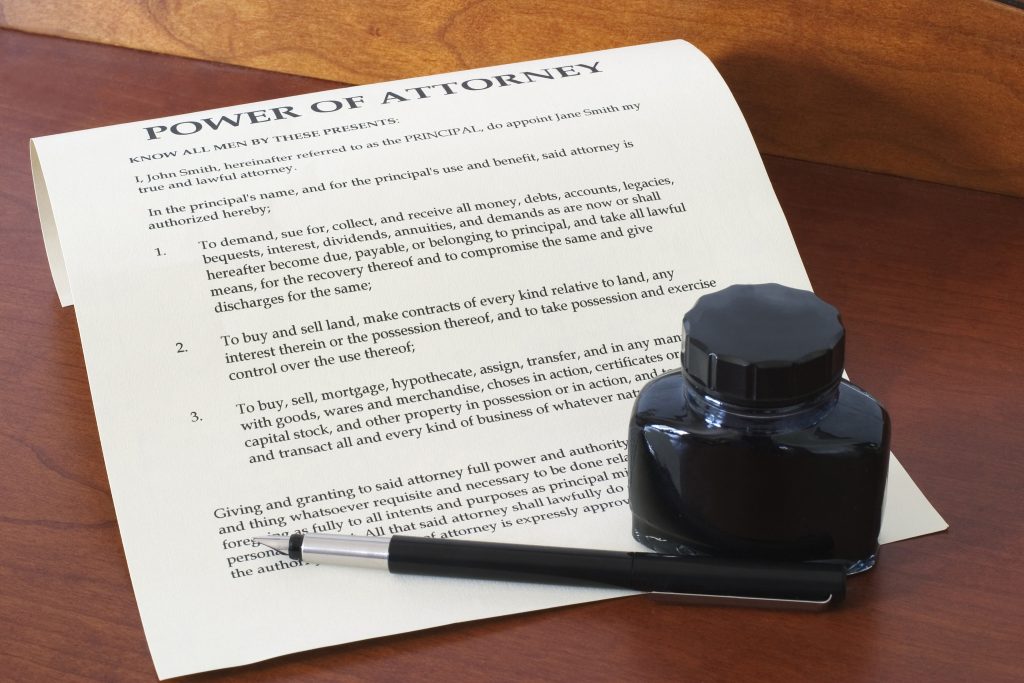
A Power of Attorney (POA) is a critical tool in estate planning, allowing you to grant legal authority to another person to manage financial, legal, or healthcare matters on your behalf. This authority can be especially important if you become incapacitated, ensuring that your affairs are managed appropriately. Mistakes in creating or executing a POA, however, can lead to significant problems, including financial mismanagement, legal disputes, and even fraud. To help you avoid these pitfalls, the attorneys at Legacy Care Law Firm explain the different types of Powers of Attorney and highlight common mistakes people make when drafting or using a Power of Attorney.
Understanding the Different Types of Powers of Attorney
A Power of Attorney (POA) is a legal arrangement that allows the Principal (person creating the document) to grant an Agent the authority to act on the Principal’s behalf in legal matters. The extent of authority granted in a POA will depend on the type of POA executed. Understanding the various types of Powers of Attorney available can help ensure that you select the right one for your needs. Each type of POA serves a distinct purpose and selecting the wrong one can lead to unintended consequences. Commonly used POAs include:
- General Power of Attorney: This document grants broad authority to an Agent, allowing them to handle financial transactions, legal matters, and other personal affairs. However, this authority ceases if the Principal becomes incapacitated.
- Durable Power of Attorney: A Durable POA remains in effect even if the Principal becomes incapacitated, making it a useful tool for long-term incapacity planning.
- Limited (or Special) Power of Attorney: This type of POA grants the Agent authority over specific tasks, such as managing real estate transactions or handling certain financial accounts. Once the task is completed, the POA expires.
- Springing Power of Attorney: This document only becomes effective under specific conditions, such as when a doctor certifies that the Principal is incapacitated. It allows the Principal to retain full control over their affairs until they are unable to manage them independently.
- Medical Power of Attorney: This POA, sometimes called a Healthcare Proxy, allows an Agent to make medical decisions on the Principal’s behalf if they are unable to do so. It is often used in conjunction with a Living Will.
Common Power of Attorney Mistakes
A Power of Attorney is an essential component of a comprehensive estate plan, but it must be carefully drafted and executed to avoid making any of the following common mistakes:
- Mistake #1: Failing to Clearly Define the Agent’s Authority: A POA should explicitly state what powers the Agent is granted. If the language is vague, financial institutions, healthcare providers, or other third parties may hesitate to honor the document, leading to delays and complications. For example, if a POA does not specify whether the Agent has the authority to sell property or make medical decisions, disputes may arise, requiring legal intervention to resolve. Clearly defining the Agent’s authority helps ensure that your wishes are carried out efficiently.
- Mistake #2: Selecting the Wrong Agent: Choosing an Agent is one of the most important decisions when drafting a POA. Many individuals select a family member out of convenience rather than considering their ability to manage financial or legal matters responsibly. A poorly chosen Agent may mismanage assets, make decisions that do not align with the Principal’s wishes, or even act in their own interest rather than that of the Principal. It is essential to choose someone who is trustworthy, organized, and capable of handling the responsibilities involved.
- Mistake #3: Lack of Oversight and Safeguards: A general POA often grants broad powers without requiring oversight, which increases the risk of abuse. An Agent with unrestricted access to financial accounts could misuse funds, leading to financial losses for the Principal. To mitigate this risk, consider appointing Co-Agents who must act together or requiring periodic financial reporting to a third party. Implementing safeguards ensures that the Agent remains accountable and acts in the Principal’s best interest.
- Mistake #4: Exposure to Exploitation and Fraud: Unfortunately, POAs can be used as tools for financial exploitation, particularly among elderly or vulnerable individuals. Unscrupulous individuals may pressure or deceive someone into signing a POA, gaining control over their finances and assets. Once granted authority, they may deplete bank accounts, transfer property, or make unauthorized transactions. To prevent exploitation, consult an attorney before signing a POA, ensure the document reflects your wishes, and inform trusted individuals about your estate planning decisions.
- Mistake #5: Not Understanding the Legal and Financial Responsibilities: An Agent must understand their obligations under a POA to avoid causing legal or financial harm. If an Agent fails to properly manage assets, pay taxes, or comply with legal requirements, the Principal could face penalties or legal liability. In some cases, an Agent may even be held personally responsible for mismanagement. Educating the Agent about their duties and ensuring they are prepared for the role can help prevent costly mistakes.
- Mistake #6: Overlooking the Potential Issues with Durable POAs: While a Durable Power of Attorney is a valuable tool for managing affairs during incapacity, it can also create challenges. If an Agent continues acting on behalf of the Principal after they recover, disputes may arise regarding the Agent’s authority. To address this issue, the POA should include provisions specifying when the Agent’s authority will terminate. Additionally, the Principal should inform relevant parties, such as banks and healthcare providers, when the POA is no longer needed.
- Mistake #7: Failing to Update or Revoke an Outdated POA: A POA should be reviewed periodically to ensure it reflects current circumstances and legal requirements. If a new POA is created but an older one is not properly revoked, multiple individuals may attempt to act on the Principal’s behalf, leading to conflicts. Additionally, financial institutions may be hesitant to honor an outdated POA, complicating financial transactions. To prevent these issues, regularly update your POA, revoke any previous versions, and ensure all relevant parties receive the most recent document.
Can We Help You Avoid Making a Mistakes When Drafting a Power of Attorney?
For more information, please join us for an upcoming FREE seminar. If you have additional questions or concerns, or you are ready to review and revise your New Hampshire estate plan, contact our estate planning attorneys in our North Andover, Woburn, and Beverly offices at (978) 969-0331. Our Salem and Nashua, New Hampshire office can be reached at (603) 894-4141.

- What You Should Know About Trustee Compensation in New Hampshire - September 29, 2026
- What You Need to Know about Gift and Estate Taxes in Massachusetts - September 17, 2026
- Commonly Asked Estate Planning Consultation Questions - September 15, 2026
