


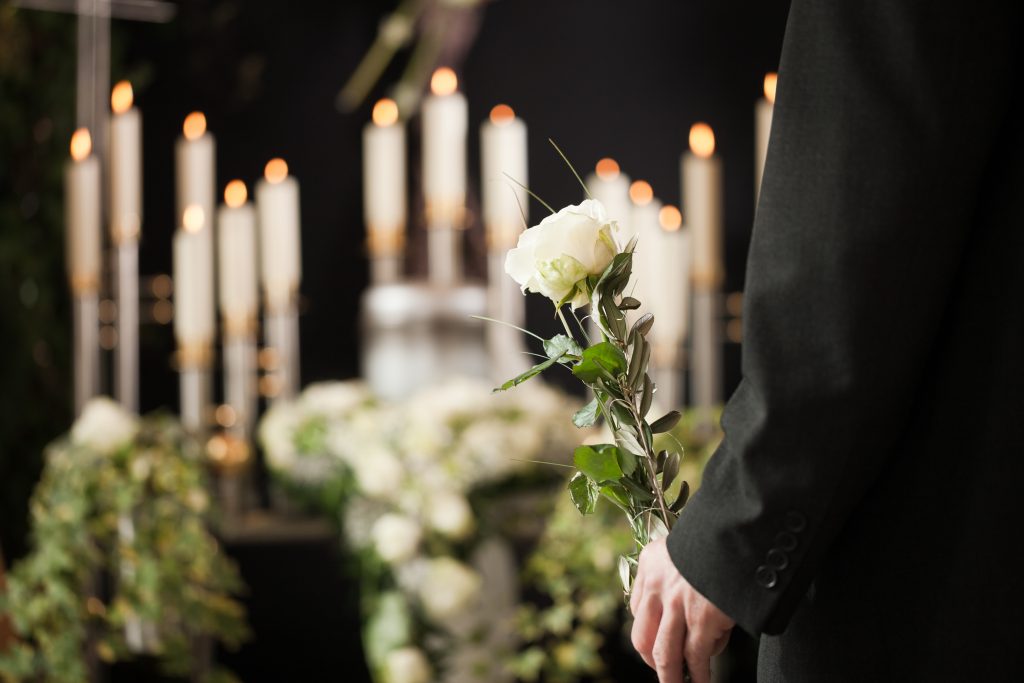
While the topic of death is often avoided, taking the time to plan your funeral is a responsible and thoughtful decision, and one that can significantly ease the emotional and financial burdens that your loved ones may face after you pass. Advance planning provides clarity, prevents disagreements among family members, and helps ensure that your final wishes are followed. The attorneys at Legacy Care Law Firm discuss the importance of funeral planning in your New Hampshire estate plan.
You Do Not Need to Be Elderly to Start Funeral Planning
One of the biggest misconceptions about funeral planning is that it should only be considered by the elderly or those facing serious medical conditions. In truth, every adult can benefit from having a plan in place. Life does not always provide warnings, and unexpected events can leave families in a state of shock. Having made decisions about your final arrangements in advance offers your family the direction they will need when emotions are running high.
Establishing a plan early allows you to communicate your preferences clearly. You can explore different funeral providers in New Hampshire, compare service options, and prepare financially to cover related expenses. Many individuals use life insurance policies or establish specialized trusts to allocate funds specifically for funeral costs. Doing so ensures that money is available and earmarked for this purpose, which protects your loved ones from having to make financial decisions during a stressful time.
Modern Funerals Reflect the Individual
The idea of a “standard” funeral service is becoming increasingly outdated. While traditional religious ceremonies and burials remain popular, they are no longer the only available choices. More and more people in New Hampshire are opting for personalized celebrations that reflect their lives, beliefs, and values.
Some individuals choose environmentally friendly burials, forgoing embalming and choosing biodegradable caskets. Others may want a simple memorial gathering held at a family home, a favorite hiking spot, or a local community hall. Music, poetry readings, photo displays, or even shared meals can all become part of a customized tribute. These personal touches allow families to focus on celebrating the life of their loved one in a way that feels genuine and respectful.
Creating a funeral that feels personal does not need to be elaborate or expensive. It simply needs to reflect the essence of the person being remembered. Including these details in your funeral plan ensures your vision is honored.
Funeral Prices Can Vary Widely
Many families believe that funeral costs are fixed and unchangeable, but this is not the case. In fact, federal regulations require funeral homes to provide a General Price List, which outlines individual services and products with their corresponding fees. This requirement promotes transparency and allows families to make informed choices.
Understanding your rights as a consumer can make a significant difference when managing expenses. For instance, cremation tends to cost less than a traditional burial, and some funeral homes offer bundled service packages that are more economical. It is also possible to purchase items such as caskets or urns from third-party vendors, often at lower prices than those offered by the funeral home itself.
If you are concerned about affordability, speaking candidly with a funeral director can help. Many are willing to guide families toward budget-conscious options without sacrificing dignity or quality. Taking the time to review and compare prices from different providers across New Hampshire can help ensure that your final arrangements align with your wishes and your budget.
You Have Choices Beyond the Funeral Home
While funeral homes offer valuable services and expertise, families are not required to rely on them for every aspect of the planning process. There are many ways to take a more hands-on approach, especially if you wish to make the service more personal or reduce expenses.
Services can be hosted in a variety of locations, such as your own home, a local park, or a community center. These alternatives may feel more intimate and comforting than a formal chapel. You can also choose to purchase urns, grave markers, or printed materials from independent retailers or online sources, giving you more control over the style and cost of those items.
In some parts of New Hampshire, the law allows families to manage aspects of body care and transportation on their own. This type of involvement is not for everyone, but for some, it offers a sense of closeness and personal responsibility that can be deeply meaningful. Before making such decisions, it is important to check local regulations to understand what is legally permitted.
Open Communication Eases the Burden on Family
Discussing your own funeral may not be easy, but it is one of the most loving and practical gifts you can give to your family. When someone dies without a plan in place, surviving relatives are often left scrambling to make decisions. They may not know whether the deceased wanted to be buried or cremated, whether they preferred a religious or secular service, or even what type of music or flowers they might have liked.
These uncertainties can lead to stress, confusion, and sometimes disagreements among family members. By sharing your preferences now, you eliminate much of that uncertainty and provide your loved ones with a clear path to follow. In addition, talking openly about your wishes invites meaningful conversations that can deepen family connections and encourage others to consider their own end-of-life plans.
Including these discussions as part of your broader estate planning conversations helps normalize them. It signals that planning for death is not a sign of fear or pessimism, but a responsible step toward ensuring that your affairs are in order and that your loved ones will not be left guessing.
Incorporating Funeral Plans into Your Estate Plan
While a Last Will and Testament or a trust may serve as the foundation of your estate plan, a comprehensive plan will include additional components that help you achieve related goals. For example, a funeral planning component can be added as a separate document, or you can use a Letter of Instruction to express your wishes. In New Hampshire, you may also choose to appoint a designated agent to carry out your funeral plans. This person will be legally empowered to make decisions regarding the disposition of your remains and the details of your service.
Clearly outlining your funeral preferences in writing and discussing them with both your estate planning attorney and your family, adds an additional layer of protection. It ensures that your instructions are followed, reduces the risk of misunderstandings, and helps your loved ones feel confident they are honoring your wishes.
Can We Help You Incorporate Funeral Planning into Your New Hampshire Estate Plan?
For more information, please join us for an upcoming FREE seminar. If you have additional questions or concerns about funeral planning in your New Hampshire estate plan, contact our estate planning attorneys in our North Andover, Woburn, and Beverly offices at (978) 969-0331. Our Salem and Nashua, New Hampshire office can be reached at (603) 894-4141.

- What You Should Know About Trustee Compensation in New Hampshire - September 29, 2026
- What You Need to Know about Gift and Estate Taxes in Massachusetts - September 17, 2026
- Commonly Asked Estate Planning Consultation Questions - September 15, 2026
