

Owning property in more than one state can provide significant financial and personal benefits, particularly when your assets include a vacation home, rental property, or residence where you spend part of the year. Nevertheless, owning real estate outside Massachusetts can also complicate the administration of your estate after your death. Although you may assume that your Last Will and Testament governs the distribution of everything you own, the legal process required to transfer real estate depends, in part, on where that property is physically located. Consequently, your loved ones may discover that settling your estate requires probate proceedings in Massachusetts as well as a separate proceeding in another state. This additional process, commonly referred to as ancillary probate, can increase administrative expenses, delay the transfer of property, and create additional responsibilities for your Personal Representative. The attorneys at Legacy Care Law Firm explain how out-of-state property is treated during Massachusetts probate.
Understanding the Massachusetts Probate Process
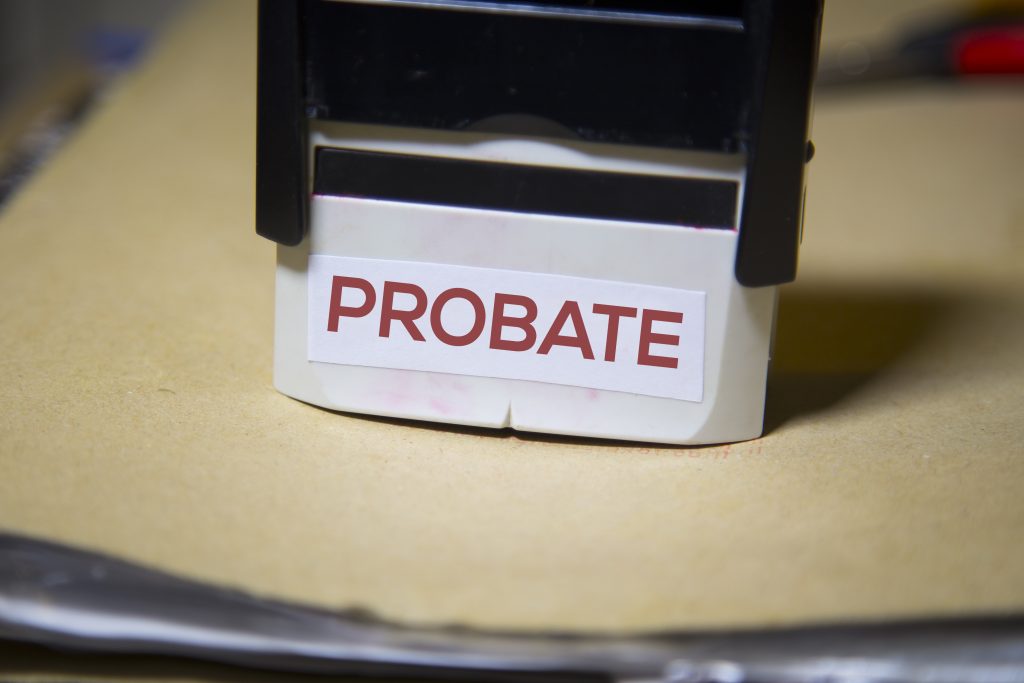
Before examining how property located outside Massachusetts is handled, it is important to understand the purpose of probate and the circumstances under which estate administration becomes necessary. Probate is the legal process through which a deceased individual’s probate assets are identified, managed, and ultimately distributed to the appropriate beneficiaries or heirs. The process also provides a framework for addressing valid creditor claims, satisfying outstanding obligations, and resolving questions concerning the administration of the estate.
In Massachusetts, probate proceedings are generally handled by the Probate and Family Court. If you leave a valid Last Will and Testament, the document ordinarily identifies your intended beneficiaries and nominates a Personal Representative to administer your estate. If you die without a valid Will, Massachusetts intestate succession laws determine who inherits property subject to those laws, and the appropriate individual must obtain legal authority to administer the estate.
Not every asset you own necessarily becomes part of your probate estate. Property held in a properly funded trust, certain jointly owned assets with survivorship rights, and accounts with effective beneficiary designations may transfer outside probate. For property that does require probate, however, the location and legal ownership of the asset can significantly affect the administration process.
What Is Ancillary Probate?
Ancillary probate is a secondary estate administration proceeding that may be necessary when a deceased individual owns property in a state other than the state where the primary probate proceeding occurs. For example, assume you are a Massachusetts resident who owns a home in Boston and a vacation condominium in Florida. Following your death, your primary probate proceeding may take place in Massachusetts because that was your state of domicile. If you owned the Florida condominium individually, however, the Massachusetts probate proceeding may not provide all the legal authority necessary to transfer title to that property. A separate ancillary probate proceeding may therefore be required in Florida. If you own real estate in several states, your estate could potentially require ancillary proceedings in multiple jurisdictions.
Why Does Out-of-State Real Estate Require a Separate Probate Proceeding?
The need for ancillary probate arises primarily because real property is generally governed by the laws of the state where it is located. A Massachusetts Probate and Family Court has authority to administer estates within its jurisdiction, but that authority does not automatically extend to transferring legal title to real estate situated in another state. Some states provide simplified procedures for recognizing out-of-state Personal Representatives or transferring particular types of property, while others require more extensive court involvement. Because state laws and requirements can differ substantially, Massachusetts residents who own real estate elsewhere should not assume that their existing estate planning documents will automatically eliminate the need for additional proceedings. Property located outside the United States can create even greater complexity because foreign inheritance laws, tax rules, and estate administration procedures may apply.
How Is Ancillary Probate Initiated When a Massachusetts Resident Dies?
When a Massachusetts resident dies owning real estate in another state, the Personal Representative should first determine whether the property is subject to probate and whether the other jurisdiction provides a simplified method for transferring ownership. If ancillary probate is necessary, the Personal Representative may need to initiate proceedings in the state where the property is situated.
Depending upon that state’s requirements, the process may involve submitting documentation establishing the decedent’s death, providing authenticated copies of the Massachusetts probate appointment, and demonstrating the Personal Representative’s authority to act. The other state’s court may recognize the Massachusetts appointment or require the appointment of an ancillary representative. Once the appropriate authority has been established, the representative may be permitted to manage, sell, or distribute the property according to the applicable legal requirements. After satisfying the necessary requirements, the property can typically be transferred to the appropriate beneficiary or sold, with the proceeds handled according to the estate’s obligations and governing documents.
Why Can Ancillary Probate Create Problems for Your Beneficiaries?
Although ancillary probate serves a legitimate legal purpose, requiring multiple estate administration proceedings can impose additional financial and practical burdens on surviving family members. For example, increased administrative expenses can be expected. Each jurisdiction may impose separate court filing fees, require additional documentation, and involve attorneys or other professionals familiar with local probate procedures. These expenses are generally paid from estate assets, potentially reducing the amount ultimately available for distribution to beneficiaries.
Ancillary probate may also increase the amount of time necessary to complete estate administration. Your Massachusetts Personal Representative may need to coordinate with attorneys, courts, financial institutions, and property managers in another state before the property can be transferred or sold.
Moreover, real estate continues to generate expenses while ownership issues are being resolved. A vacation home may require payment of property taxes, insurance premiums, utilities, association assessments, and maintenance costs. Rental properties may require tenant communications, repairs, collection of rent, and compliance with applicable landlord-tenant laws. If the estate lacks sufficient liquid assets to meet these obligations, the Personal Representative may encounter additional financial difficulties. When beneficiaries disagree about whether to retain or sell the property, the existence of separate probate proceedings can further complicate an already challenging situation.
Do You Have Questions about Out-Of-State Property and Massachusetts Probate?
For more information, please join us for an upcoming FREE seminar. If you have additional questions or concerns about out-of-state property and how it is handled during probate in Massachusetts, contact our estate planning attorneys in our North Andover, Woburn, and Beverly offices at (978) 969-0331. Our Salem and Nashua, New Hampshire office can be reached at (603) 894-4141.

- How Is Out-Of-State Property Handled During Probate in Massachusetts? - November 3, 2026
- Understanding Ancillary Probate in New Hampshire - October 15, 2026
- What Football and Estate Planning Have in Common - October 2, 2025
